


Donald Whitaker triumphs in thrilling Trophée de Genève jump-off
 Donald Whitaker and Millfield Colette won the Trophée de Genève on Thursday night. Photo © Rolex Grand Slam / Tom Lovelock.
Press release from the Rolex Grand Slam of Show Jumping
A field of 49 horse‑and‑rider combinations representing 16 nations lit up the Palexpo on Thursday evening for the Trophée de Genève, the first major test of CHI Geneva 2025’s four‑day programme. The line-up featured world number one Kent Farrington, German rider Sophie Hinners, rising Swiss talent Gaëtan Joliat, and Rolex Grand Slam Live Contender and world number two Scott Brash, alongside several of the sport’s top-ranked riders and past Major winners. Tackling Gérard Lachat’s technical track in one of the arena’s most atmospheric rings, seasoned campaigners and promising young horses set the stage for a thrilling opening feature ahead of Sunday’s Rolex Grand Prix.
At the halfway mark, just a handful of combinations had mastered Lachat’s 13‑obstacle course to progress to the jump-off. Early leaders included Brash, Austria’s Max Kühner, and Germany’s Christian Ahlmann, each delivering fault-free rounds with pace and composure, setting the tone for an exciting finale.
As the class continued, six more riders joined them to make a total of nine advancing to the jump-off: Ireland’s Cian O’Connor, Sweden’s Peder Fredricson, Switzerland’s Steve Guerdat, Belgium’s Nicola Philippaerts, Swiss rising talent Edouard Schmitz, and Great Britain’s Donald Whitaker. All produced clear rounds, setting up a jump-off where speed, precision, and nerves of steel would decide the evening’s winner.
Despite flawless double-clear rounds from Max Kühner, Cian O’Connor, and Christian Ahlmann, it was ultimately Donald Whitaker and his grey mare Millfield Colette who claimed victory, crossing the line in 45.15 seconds – over a second and a half faster than Ahlmann. Thrilled with the win, Whitaker celebrated with an emphatic punch of the air.
Interview with Sophie Mottu Morel
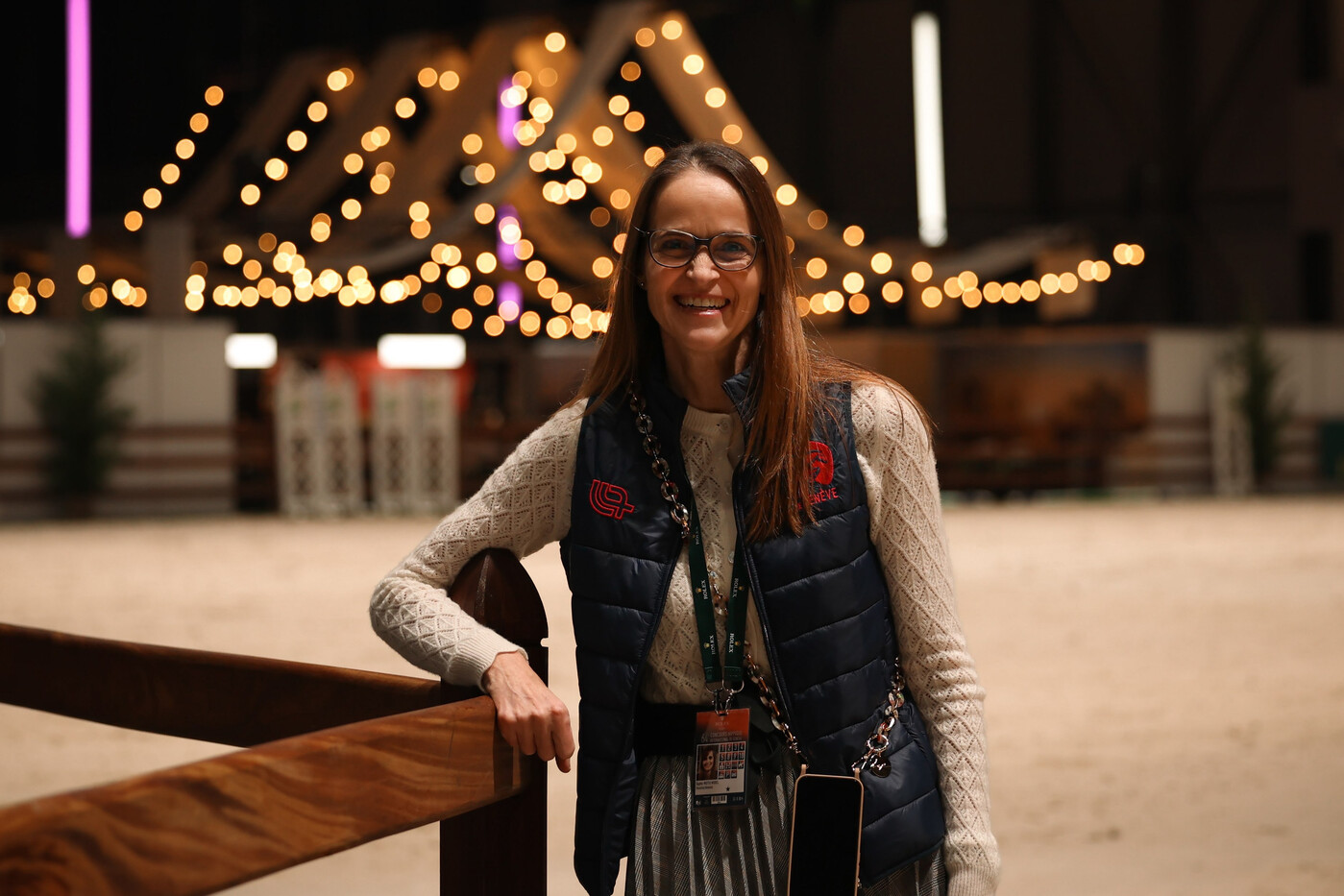 Director of CHI Geneva, Sophie Mottu Morel. Photo © Rolex Grand Slam / Sofya SK.
This year marks the 64th edition of CHI Geneva. Looking back over its history, what do you feel has enabled the show to maintain its reputation as one of the world’s very best?
SMM: I think there are many factors involved. When riders come here, they know we place the sport at the very highest level. As organisers, our goal is simply to deliver great sport. It’s also important to remember that we attract the world’s best riders, who are here purely on merit. Together, these elements give CHI Geneva another dimension in terms of its identity.
We’re fortunate to have a large arena, excellent stabling close to the main ring, and a venue with an incredible atmosphere. These elements – along with several others – help to give the show its strong reputation among both riders and spectators.
This year marks Rolex's 25th year of sponsoring the Rolex Grand Prix at CHI Geneva. How would you describe the impact that this long-standing partnership has had on the show?
SMM: The impact has been huge, and all of us at CHI Geneva are incredibly proud to have had Rolex supporting the show for so many years. This marks the 25th anniversary of the Rolex Grand Prix, but it’s important to remember that Rolex’s association with CHI Geneva began long before that, and we consider ourselves very fortunate for their loyal partnership.
When you work with a brand like Rolex, you must operate at the very highest level. That expectation gives everyone at CHI Geneva real energy and motivation to deliver a world-class show, and we’re truly inspired to have Rolex by our side.
CHI Geneva has played a central role in the Rolex Grand Slam of Show Jumping since its inception in 2013 - what makes the Swiss Major such a defining part of the series?
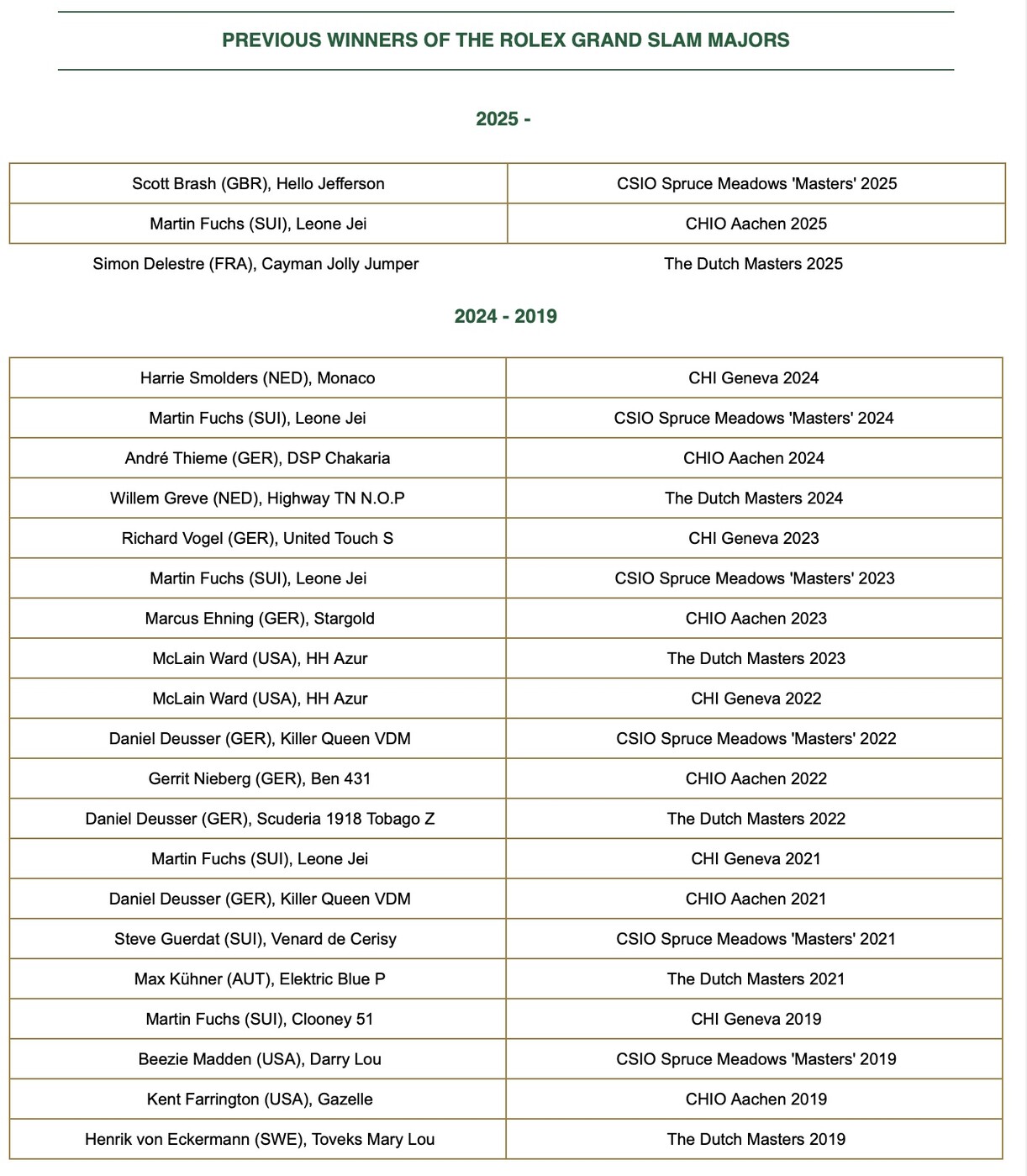
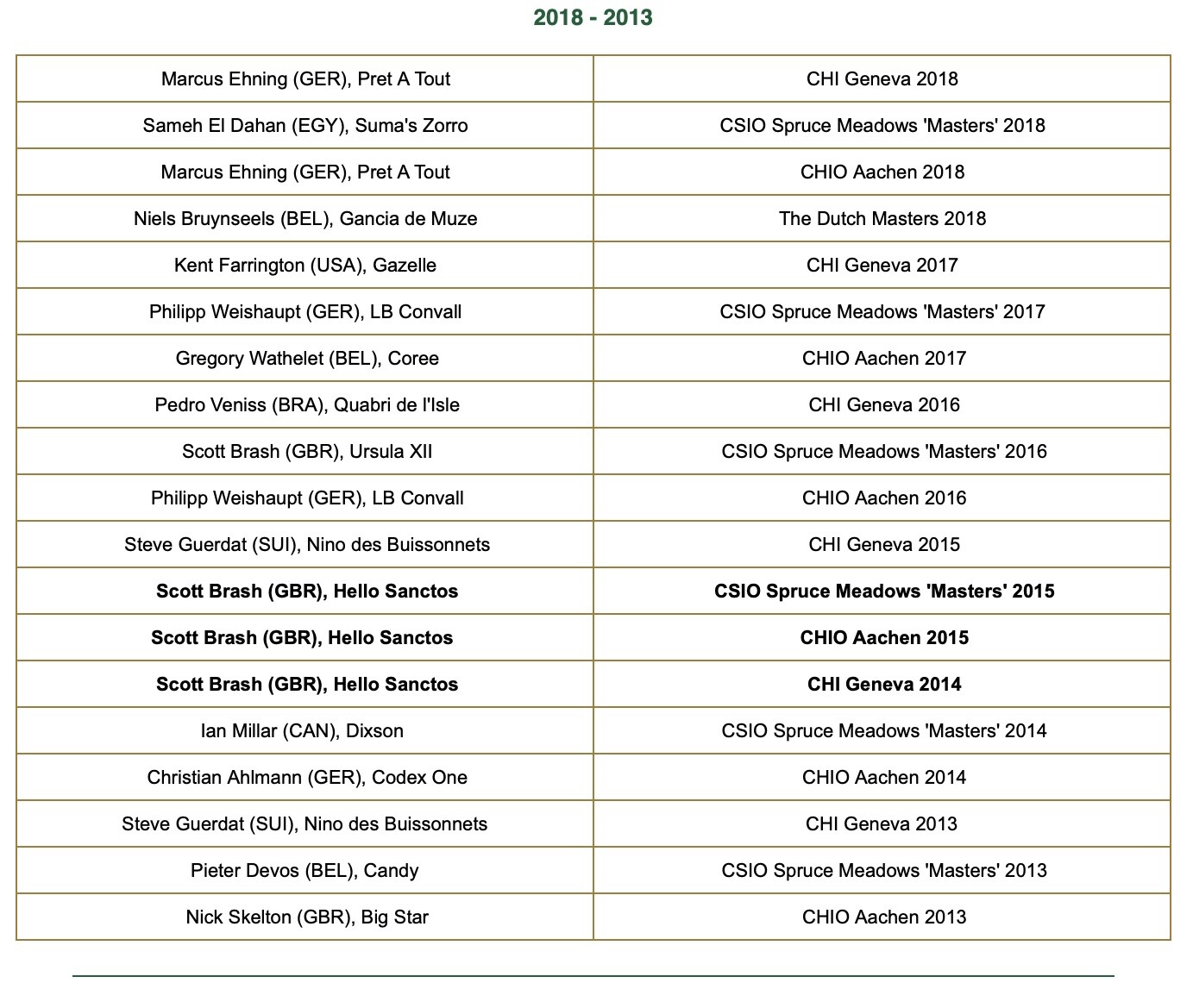
SMM: We don’t feel alone – we feel part of a team and a family, because the concept began with three shows [CHI Geneva, CHIO Aachen, CSIO Spruce Meadows] and later grew to four with the addition of The Dutch Masters in 2018. Each of the four Majors has its own identity and history, which means they all bring different ideas and perspectives to the table. This diversity has strengthened the Rolex Grand Slam concept, as we’re constantly having open, transparent conversations and genuinely listening to one another. I find this incredibly interesting, because we’re all learning and ultimately growing together.
Even though CHI Geneva is an indoor show, we still draw inspiration from outdoor events like Aachen and Spruce Meadows. For instance, at this year’s Spruce Meadows ‘Masters’, course designer Leopoldo Palacios recreated the 1976 ‘Masters’ Grand Prix track for the ATCO Cup to mark Spruce Meadows’ 50th anniversary – a wonderful idea that has inspired me and my team as we think about CHI Geneva’s future milestone years.
Beyond the equestrian world, I also believe it’s important to look at what other sports – such as tennis and skiing – are doing and to take inspiration from their innovations. Show jumping is unique in that it involves both athletes and animals; however, we can still learn from other sports how to enhance the experience for spectators, volunteers, VIPs, and the media.
Interview with Gérard Lachat
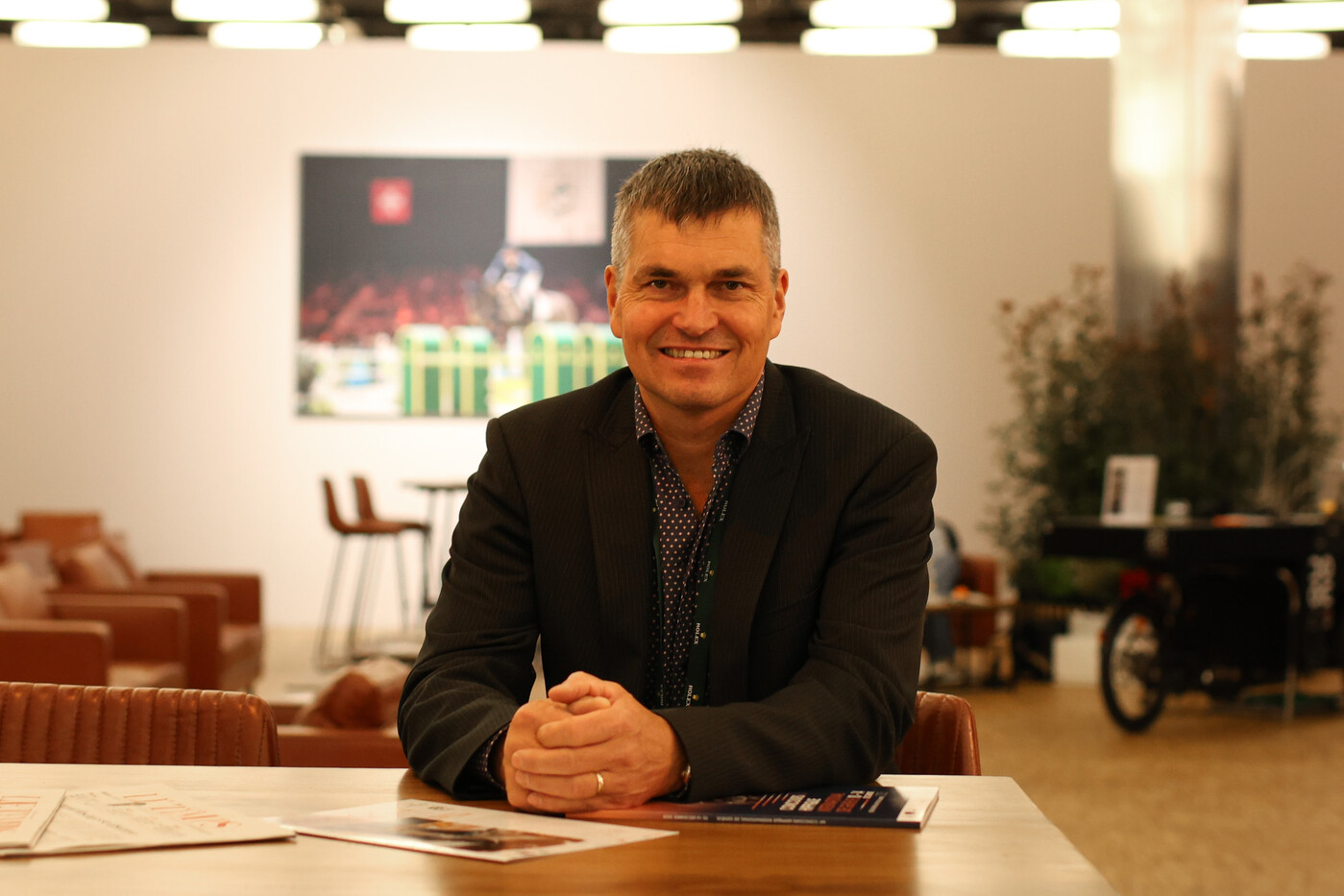 Course designer Gérard Lachat. Photo © Rolex Grand Slam / Sofya SK.
CHI Geneva has a reputation for being one of the most horse- and rider-friendly venues in the world. As the course designer, how do you balance maintaining that reputation while still creating tests that challenge the best combinations on the planet?
GL: We aim to build a course that riders enjoy discovering, while ensuring the horses are not pushed too hard. It remains a very demanding track, but one that balances challenge with fairness. Looking at other Grand Slam events, many include two rounds, which can be much tougher on the horses. At CHI Geneva, we have 14 jumps, making it a fairly long course, but since the competition takes place over a single round, we believe this format is better suited to the horses. The goal is that when they leave Geneva, they’re still fresh enough to compete elsewhere.
The course must be technical to push riders to perform at their best and to keep the number of clear rounds limited, but it should also remain fair for the horses. We’re fortunate to have an excellent arena that has been used for years. The footing is neither too hard nor too soft, and in my opinion, that is the main reason why horses feel so comfortable here.
The Rolex Grand Slam adds enormous prestige and pressure. How does the Rolex Grand Slam narrative influence your approach to course building at CHI Geneva – if at all?
GL: Yes, it certainly has an influence. This competition brings together the very best horse-and-rider combinations. CHI Geneva, in particular, is a highly anticipated event, and everyone prepares well in advance. In response to that level of preparation, it’s our job to design a challenging course that limits the number of clear rounds and keeps the competition exciting.
Without giving away details, what themes or technical principles are guiding your design for Sunday’s Rolex Grand Prix? Are there particular skills you especially want to evaluate this year?
GL: No, the course isn’t designed to test a single skill. Like in previous years, it will be technical. Jump heights are set at the maximum allowed, with obstacles up to 1.65 metres. We won’t overdo the oxers, knowing they are the most demanding for horses, but we will still aim to create a very challenging course – almost at Olympic level.







 Then
Then